What Is Eco Disposable Paper and Why Should Buyers Choose It?
Eco Disposable Paper is often presented as a simple alternative to plastic cups, food boxes, and takeaway bags. The real choice is more complicated. A paper item can come from responsibly managed forests, yet still carry coatings, inks, or adhesives that affect how it can be recycled or composted. Buyers need to look beyond the material’s appearance.
The scale of the packaging challenge is clear. The OECD’s Global Plastics Outlook reports that global plastic waste reached 353 million tonnes in 2019; only 9% was ultimately recycled. This figure covers all plastic waste, not disposable food packaging alone. Still, it helps explain why businesses are reviewing everyday packaging choices. There is pressure to change.
Paper is not automatically the better option in every setting. The United Nations Environment Programme’s 2023 report, Turning off the Tap, examines measures that could reduce global plastic pollution by 80% by 2040. Its findings emphasize system-wide changes, including reuse, recycling, and redesign—not material substitution alone. For buyers, that means asking practical questions: What is the paper sourced from? Can local facilities process the finished item? Does the packaging stay sturdy when holding hot soup or a damp salad? A box that leaks after ten minutes is not a responsible solution.
This guide explains what Eco Disposable Paper means and how buyers can assess it. It considers sourcing, performance, disposal options, and credible supplier documentation. Some answers will depend on local infrastructure. That is worth admitting. A careful purchase starts with evidence, not a green-looking label.
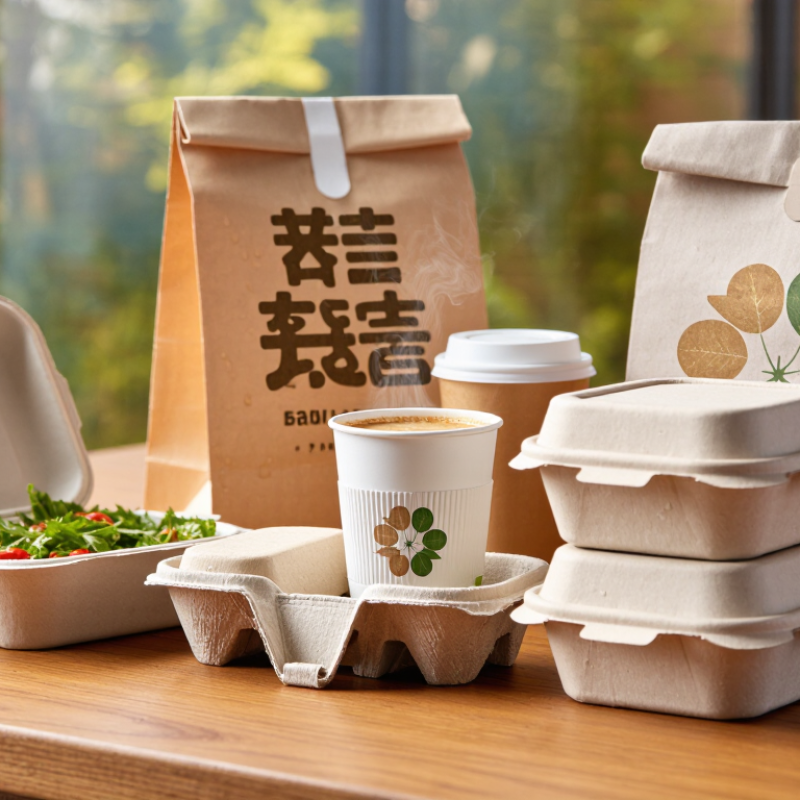
Definition and Core Features of Eco Disposable Paper
Eco disposable paper is a single-use paper product designed to reduce environmental impact through responsibly sourced fiber, efficient production, and practical end-of-life options. It may be uncoated or use a coating that affects whether local facilities can recycle or compost it. “Paper-based” does not automatically mean sustainable. Buyers should check fiber sourcing, product durability, and disposal instructions rather than relying on green claims alone.
The U.S. Environmental Protection Agency reported that 68.2% of paper and paperboard was recycled in 2018, equal to about 46 million tons. This figure covers many paper products, not disposable tableware specifically, so it should not be treated as a product-level recycling rate. In purchasing, compare the item’s weight and strength: a cup that leaks, or a plate that bends under warm food, may need replacing and create more waste. Clear material specifications and credible sourcing documentation make comparisons more reliable, though no single feature proves a product is “eco-friendly.”
Tips: Ask suppliers whether the product has plastic or compostable coatings, and confirm what local collection facilities accept. A simple test helps: pour hot liquid into a sample cup and check for leaks. Small detail. One caveat: compostable materials may require facilities that are not available everywhere.
What Is Eco Disposable Paper and Why Should Buyers Choose It? - Definition and Core Features of Eco Disposable Paper
| Dimension | Definition or Core Feature | Why It Matters to Buyers | What to Check |
|---|---|---|---|
| Definition | Eco disposable paper refers to single-use paper products designed with environmental considerations, such as responsible fiber sourcing, efficient material use, or compatibility with suitable recovery systems. | It helps buyers compare products beyond the fact that they are paper-based. | Ask which specific environmental attributes are documented; the term alone is not a standardized guarantee. |
| Fiber source | Paper may be made from virgin wood pulp, recycled fiber, or a blend. Recycled content can reduce demand for virgin fiber, though the overall impact depends on production and sourcing. | Clear sourcing information supports purchasing policies and material traceability. | Check the stated recycled-content percentage and whether any sourcing claims are independently certified. |
| Responsible forestry | Some virgin paper fibers come from forests managed under defined environmental and social requirements. Certification schemes can provide a way to verify particular sourcing claims. | Verified sourcing can help buyers assess forest-related risks in the supply chain. | Verify the certificate, product scope, and chain-of-custody details rather than relying on a general logo or claim. |
| Coatings and additives | Some cups, plates, and food wrappers use coatings or treatments for moisture, grease, or heat resistance. These can affect recyclability or compostability. | A paper appearance does not by itself establish that an item can be recycled or composted. | Request material composition and confirm acceptance with the relevant local waste facility. |
| End-of-life options | Recycling and composting depend on the product design, contamination, collection systems, and local facility capabilities. Food residue and mixed materials can limit recovery. | A disposal claim is useful only when it matches the buyer’s local infrastructure. | Check local program rules and look for test results or certifications relevant to the specific product and disposal route. |
| Material efficiency | Product weight, dimensions, and construction determine how much material is used while meeting functional requirements. | Right-sizing can reduce material use and shipping volume without compromising intended performance. | Compare item weight, pack size, durability, and performance under actual use conditions. |
| Food-contact suitability | Paper products intended for food use should meet the applicable food-contact requirements in the market where they are sold. | Safety and regulatory compliance are essential alongside environmental considerations. | Request relevant compliance documentation and confirm suitability for the intended food, temperature, and contact duration. |
| Buyer evaluation | A sound comparison considers sourcing, composition, functional performance, packaging, and realistic end-of-life options together. | A multi-criteria review avoids choosing on a broad environmental claim alone. | Use product-specific evidence and compare like-for-like specifications; environmental performance varies by product and supply chain. |
Materials and Manufacturing Process
Eco disposable paper products usually begin with wood pulp, recycled fiber, or a blend of both. Virgin fibers can provide strength and a clean surface, while recycled content may reduce demand for new fiber. The trade-off is that recycled fibers are shorter and may need careful blending. Some food-service items also use agricultural fibers, such as bagasse. The exact mix affects stiffness, absorbency, and how well the product handles hot or oily food.
Manufacturing starts with pulping, where fibers are mixed with water into a slurry. Screens remove unwanted material before the slurry is shaped in a mold or pressed into sheets. Heat and pressure dry and strengthen the form. For cups or greasy-food packaging, manufacturers may add a barrier coating or lining. That layer matters. It can affect recycling or composting options, so buyers should check the product’s actual material specifications rather than rely on the word “eco.” Ask about fiber content, coating type, and performance with the intended food. Compostability also depends on verified product claims and available local processing facilities. It is not always simple. A paper item may look plain, yet its coating and manufacturing choices can change its end-of-life route.
Environmental Benefits and Sustainability Standards
Eco disposable paper is made for short-use items such as cups, food trays, and takeaway bags. Its environmental value depends on more than the word “paper.” Buyers should consider where the fiber comes from, how much recycled content it contains, and whether the product can be collected and processed locally. Responsibly managed forests and verified sourcing standards can support better forestry practices, but certification labels should be checked against their published criteria. Paper is not automatically sustainable.
Paper products may break down more readily than some persistent materials under suitable conditions. Yet coatings, food residue, and local waste facilities can change what actually happens after use. A paper cup with a plastic lining, for example, may not be accepted in ordinary paper recycling. Look for clear material and disposal information, and ask suppliers for current documentation on fiber sourcing, recycled content, and manufacturing practices. No single metric tells the whole story. Sometimes the details are inconvenient.
Tips: Match the item to local collection rules. Prefer minimal coatings and right-sized packaging, and avoid buying more than daily operations require. Compare product specifications rather than relying on broad “eco-friendly” claims. If documentation is unclear, request it before placing a large order.
Common Applications Across Foodservice and Retail
Eco disposable paper refers to single-use items made partly or fully from paper-based fibers. These products often include cups, plates, trays, bags, and food containers. Their value depends on more than a natural-looking surface. Buyers should examine fiber sources, coatings, durability, and disposal guidance. Appearance alone proves very little.
In foodservice, paper containers support takeaway meals, bakery portions, coffee service, and catering lines. A sturdy bowl can hold hot soup without collapsing during a short delivery. Grease-resistant paper helps protect sandwiches and fried snacks from leaking oil. However, some coatings affect recycling options. Staff should follow local collection rules instead of making assumptions.
Retailers use paper bags, wrapping sheets, produce sacks, and protective inserts. A small paper pouch may suit loose tea, cosmetics, or dry goods. A thicker folded carton can protect jars or handmade products during transport. Practical testing matters. Fill the package, carry it, stack it, and check the handles. A package that tears beside the checkout creates waste and customer frustration.
Responsible buyers should request material specifications and test samples before ordering large quantities. They should also consider storage space, moisture exposure, printing requirements, and end-of-life facilities. Eco paper is not a perfect substitute in every situation. Sometimes, using less material is the better decision. That detail deserves honest attention.
What Is Eco Disposable Paper and Why Should Buyers Choose It?
Common applications include foodservice packaging—such as cups, trays, and takeaway boxes—and retail bags and protective wrapping. This chart compares U.S. recycling rates for major material categories, offering context for paper’s end-of-life potential.
How to read this: Paper and paperboard had the highest recycling rate among the materials shown. Actual recovery of disposable paper items depends on local facilities and whether food residue, plastic linings, or coatings affect processing. Source: U.S. Environmental Protection Agency, 2018 Facts and Figures about Materials, Waste and Recycling.
Key Factors Buyers Should Evaluate Before Choosing It
Eco disposable paper is often presented as a simple replacement for plastic, but buyers should examine the details. The term “eco” does not guarantee a lower environmental impact. Check the fiber source, recycled content, and coating materials. Responsibly sourced virgin fiber may be more suitable than poorly documented recycled paper. The label alone proves little.
For food packaging, performance matters as much as environmental claims. A paper bowl that softens under hot soup can waste food and increase replacement costs. Ask for test data covering heat tolerance, grease resistance, moisture control, and leak performance. Check whether the product needs industrial composting facilities. Local waste systems may not accept coated paper, even when it appears compostable. Small details matter. I would also inspect the rim, base strength, and stacking stability during actual use.
Reliable suppliers should explain material specifications, production controls, and disposal guidance clearly. Look for independent certifications, laboratory reports, and traceable sourcing records. Vague claims deserve careful questions. Cost deserves attention too. Cheaper items may create hidden losses through leakage, poor storage, or higher usage. No option is perfect. A practical choice balances verified environmental benefits, dependable performance, and the disposal conditions available in the buyer’s market. Rechecking these factors after real-world use can reveal weaknesses that product sheets miss.