What is Top Web Hosting and How Does It Impact Your Website Success?
In today's digital landscape, the choice of top web hosting can make or break a website's success. According to a report by Statista, 40% of users abandon a website if it takes more than three seconds to load. This underscores the critical role that performance plays in user retention. Industry expert Mark Thompson, founder of Web Hosting Insights, states, “Choosing the right web hosting is not just a technical decision; it directly affects your brand's reputation.”
The impact of top web hosting goes beyond speed. Security is equally essential. A recent study by Cybersecurity Ventures found that around 60% of small businesses close within six months of a cyberattack. This stark statistic emphasizes the importance of secure, reliable hosting. With increasing threats, businesses must prioritize a hosting service that offers robust security measures.
Moreover, the right web hosting can enhance SEO efforts. Google considers page speed as a ranking factor. Consequently, websites backed by efficient hosting often witness better search engine visibility. Yet, despite the clear advantages, many still overlook the nuances of web hosting. Reflecting on this, it’s essential to continually assess your hosting choice, ensuring it aligns with both current and future business needs.

Understanding Web Hosting: Definition and Importance
Web hosting serves as the backbone of online presence. It refers to the service that stores your website's files, enabling them to be accessible on the internet. Choosing the right web hosting is crucial. It can affect your site's load speed, uptime, and overall user experience. Slow-loading sites often lead to higher bounce rates. Users typically leave if a page takes too long to display.
Understanding the different types of web hosting is vital. Shared hosting is cost-efficient but may compromise speed and security due to shared resources. VPS hosting offers a balance between cost and performance, providing dedicated resources. Dedicated hosting is powerful but more expensive, ideal for large-scale operations. Each type has its pros and cons, and personal needs shape the best choice.
The importance of reliable web hosting cannot be stressed enough. Downtimes can result in lost customers. A website often reflects a business's credibility. If your site is constantly down, that can hinder growth. Potential clients might lose trust in your brand. Therefore, investing time in selecting a suitable web host can yield significant benefits.
Types of Web Hosting Services and Their Features
When choosing web hosting, it’s essential to understand the different types available. Each type has unique features that can influence your site's performance and success. Shared hosting is a common choice for beginners. It’s cost-effective but may lead to slower speeds if other sites share resources. This is where you might encounter issues during high traffic.
VPS (Virtual Private Server) hosting offers more control and higher performance. This option mimics dedicated servers but at a lower cost. Users can install custom software and have greater flexibility. However, managing a VPS requires technical skills, which can be a hurdle for some.
Cloud hosting is another popular choice. It offers scalability and reliability by using multiple servers. This means your site can handle sudden traffic spikes without crashing. Yet, pricing can vary widely based on usage, which might lead to budgeting challenges. Each hosting type has its pros and cons, demanding careful consideration. The choice directly impacts website success, so weigh them based on your unique needs.
Factors to Consider When Choosing a Web Hosting Provider
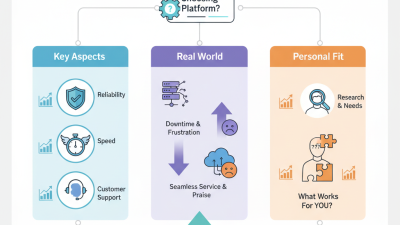
Choosing the right web hosting provider is crucial for your online presence. Numerous factors play a pivotal role in this decision. Reliability stands out as a primary consideration. An unreliable host can lead to downtimes, frustrating your visitors. Aim for a provider with a solid uptime guarantee, ideally above 99.9%. This ensures that your website remains accessible, which is critical for user engagement.
Another important factor is customer support. Effective support can distinguish one provider from another. Look for 24/7 assistance through various channels like chat, email, or phone. Quick responses can save you time and trouble during emergencies. Also, consider the technical expertise of their staff; knowledgeable support can simplify complex issues.
Security is paramount. Check if the hosting provider offers features like SSL certificates and regular backups. These elements protect your site from potential threats. In today’s digital landscape, a single breach can have serious consequences. Investing in security can ultimately safeguard your website’s reputation and data.
**Tips**: Don’t underestimate user reviews. They can reveal pitfalls and highlight strengths. Evaluate your needs before making a decision. It’s easy to get overwhelmed by flashy features. Prioritize what genuinely matters for your website's success.
The Impact of Web Hosting Factors on Website Success
How Web Hosting Affects Website Performance and SEO
Web hosting plays a crucial role in determining your website's performance and search engine optimization (SEO). The server where your website resides affects how quickly pages load. Slow load times can drive visitors away. A delay of just a few seconds can lead to higher bounce rates. This negatively impacts your search ranking on Google.
The reliability of your web hosting service matters too. Frequent downtimes can frustrate users and damage your credibility. If your site is often unavailable, potential customers might choose competitors. Choosing a hosting provider with a solid uptime guarantee can make a significant difference.
Consider scalability as well. As your website grows, your hosting needs may change. A plan that can adapt to increased traffic will help maintain performance. Failing to manage growth can result in lagging speeds or even crashes. Reflect on your hosting choice regularly to ensure it aligns with your website's evolving demands.
The Role of Customer Support in Web Hosting Success
Customer support plays a crucial role in web hosting success. A responsive team can save you time and frustration. Imagine launching your website, only to encounter issues. In such moments, you want help that's just a click away. Effective customer support means quick resolutions. Delays can lead to lost visitors and revenue.
Consider the difficulties a website owner faces. Technical glitches can happen at any time. If support is lacking, these problems can escalate. You might spend hours, even days, looking for solutions. A good hosting provider understands this urgency. They offer various support channels. Live chat, email, and phone support should be available.
However, not all support teams are equal. Some may try to redirect your questions rather than provide answers. Frustration can grow quickly. This highlights the need for reliable support. A knowledgeable team can guide you through complex issues. They empower you to manage your website confidently. Engaging customer support enhances your online presence significantly.