10 Essential Tips for Choosing the Best Hosting Packages
Choosing the right hosting packages can significantly impact your online presence. With numerous options available, understanding what to look for is essential. This process may seem overwhelming, especially for beginners. However, a few key factors can simplify your choice.
One crucial aspect is reliability. Your website's performance depends on your hosting service's uptime and speed. A slow or frequently down site can lead to lost visitors. Additionally, consider the quality of customer support offered. Ideally, you want a provider that can assist you promptly, especially during emergencies.
Security is another vital point. A good hosting package should include features like SSL certificates and regular backups. This ensures your data remains safe and secure. Remember, selecting hosting packages requires careful thought. It’s not merely about the lowest price. Prioritize your site’s needs to find a suitable solution. Reflect on your long-term goals when making this decision.

Understanding Different Types of Hosting Packages Available for Websites
When selecting a hosting package for your website, it’s crucial to understand the different types available. Shared hosting is often the most affordable option. It suits small businesses and personal sites well. However, resource limitations can arise as traffic grows. According to a recent report, about 70% of small businesses start with shared hosting.
VPS hosting is another option. It provides dedicated resources and better performance than shared hosting. This choice balances cost and functionality. Data from industry analysts indicate that VPS hosting can improve site loading times by up to 40% compared to shared hosting. For websites expecting higher traffic volumes and needing greater control, VPS hosting is worth considering.
Tips: Assess your website's needs carefully. If you expect rapid growth, don’t undersell your requirements. Look into scalability options offered by various packages. Additionally, consider the long-term costs. Some might seem cheap initially, but renewal rates can spike. Evaluate the support provided. Quality customer service can significantly impact your experience. Investing time in understanding each option ultimately leads to better choices.
10 Essential Tips for Choosing the Best Hosting Packages
| Hosting Type |
Best For |
Price Range |
Scalability |
Technical Support |
| Shared Hosting |
Blogs / Small Websites |
$2 - $10/month |
Low |
Basic support |
| VPS Hosting |
Growing Businesses |
$20 - $100/month |
Moderate |
24/7 support |
| Dedicated Hosting |
Large Enterprises |
$100 - $500/month |
High |
Premium support |
| Cloud Hosting |
E-commerce / Startups |
$10 - $300/month |
Very High |
Scalable support |
| Managed WordPress Hosting |
WordPress Websites |
$15 - $50/month |
Moderate |
Specialized support |
Key Factors to Consider When Selecting a Hosting Provider
When selecting a hosting provider, there are several crucial factors to consider. One key element is uptime reliability. A reliable host should guarantee at least 99.9% uptime. Downtime can lead to lost sales and affect your site's reputation. Regular monitoring of uptime statistics is essential for making an informed choice.
Another important factor is customer support. Having access to knowledgeable support staff can make a significant difference, especially during crises. Look for providers offering 24/7 support through multiple channels. Fast response times can alleviate stress when issues arise.
Cost is always a consideration. Cheaper options may seem attractive but can hide limitations. Ensure you understand renewal prices and additional fees. Some plans come with storage caps, or limited bandwidth. Make sure the plan aligns with your business needs. Evaluating these core aspects is vital to finding the right hosting solution for your needs.
Evaluating Server Performance and Reliability for Hosting Choices
When choosing a hosting package, evaluating server performance and reliability is crucial. A high-performance server reduces downtime, which keeps your website accessible. Look for providers with a track record of uptime guarantees.
Uptime refers to the amount of time a server is operational and running smoothly. Aim for a provider that offers at least 99.9% uptime. However, perfect uptime is rare. Providers may experience unexpected issues. It’s wise to check their response time and how they handle outages.
Additionally, consider the server's speed. A slow server can lead to frustrated visitors. Search for benchmarks and reviews that detail loading times. A fast server enhances user experience and can even improve search engine rankings. Be cautious with claims about speed. They are not always backed by data. You may want to test the service personally before committing.
Reliability goes beyond performance metrics. Customer support is essential when issues arise. Check if the provider offers 24/7 support. A helpful response team can significantly reduce stress during technical difficulties. Remember, even the best servers have limitations. Reflect on your specific needs and be prepared to adapt your choices as your website grows.
Comparing Pricing Structures and Features of Hosting Packages
Choosing the right hosting package can be overwhelming. Pricing structures vary significantly.
Some offer low initial rates but increase after the first year. Look for transparency in pricing.
Hidden fees can add up quickly.
Consider the features included in each package. Basic plans often lack essential tools.
You might find limitations on bandwidth, storage, or customer support.
Evaluate if the plan meets your current needs and future growth.
When assessing your options, read reviews. Actual user experiences provide valuable insights.
Be cautious of overly positive testimonials; they can be misleading.
A balanced view helps in making a better decision. Your hosting choice impacts your website's performance and reliability.
Pay attention to details, and don't rush into a decision.
Assessing Customer Support and User Experience with Hosting Services
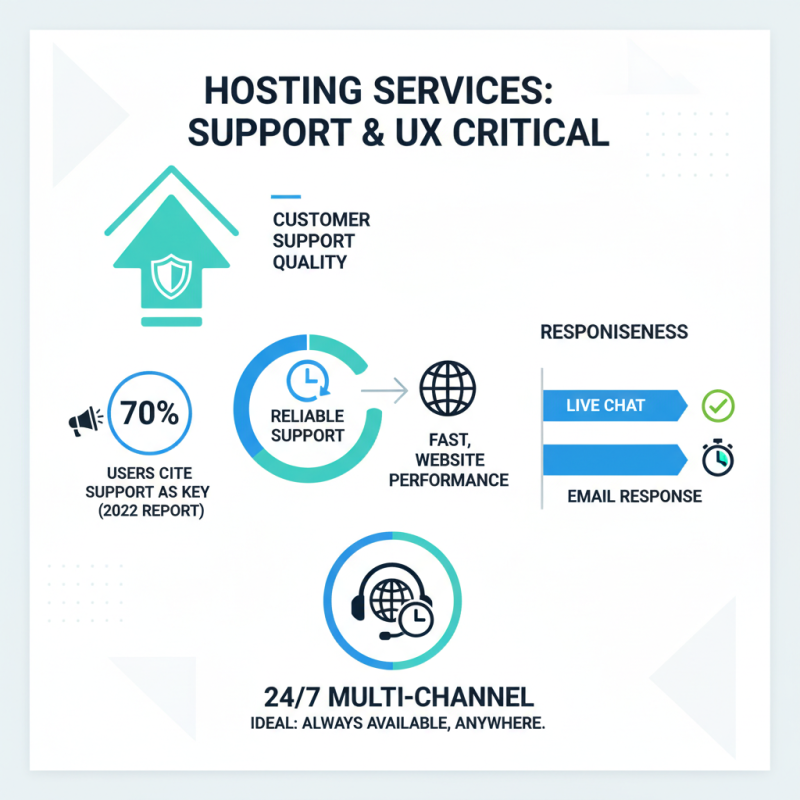
When considering hosting services, customer support and user experience are paramount. A 2022 report found that 70% of users cite support quality as a critical factor in their hosting decisions. Fast and reliable support can make or break your website’s performance. Measuring responsiveness through live chat or email response times can reveal much about a hosting provider. Ideally, you want a provider that offers 24/7 support across multiple channels.
User experience goes hand in hand with customer support. Research shows that sites with good UX attract 2.5 times more visitors. Easy navigation, intuitive interfaces, and comprehensive documentation reduce friction for users. Simplifying user onboarding can enhance satisfaction and retention.
Tips to ensure a better experience include testing the support response time before committing. Also, read reviews focusing on real user experiences. Watch for common frustrations, like complicated control panels or slow ticket resolutions. Always check if the provider has a community forum; this often indicates a vibrant user base and helpful resources. Reliable hosting requires more than just pricing. Evaluate your choice based on these crucial support and experience metrics.