How to Choose the Best Top Web Hosting for Your Website Needs?
When establishing an online presence, selecting the best top web hosting is crucial. Your website's success hinges on its reliability and performance, which are often dictated by the hosting provider. The landscape of web hosting is vast and varied. It can be overwhelming to sift through the numerous options available today.
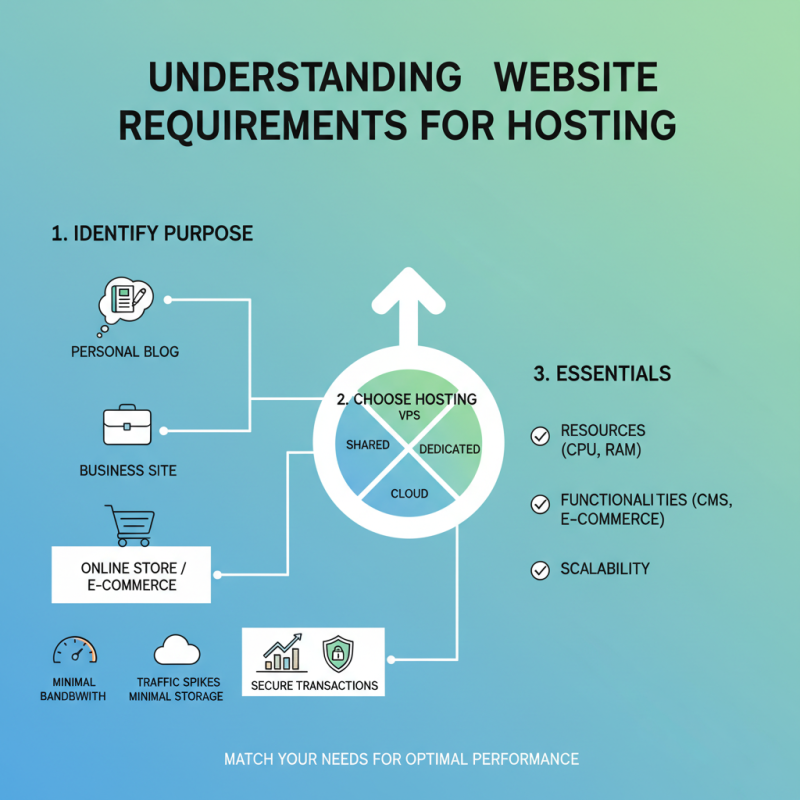
Understanding different hosting types—shared, VPS, dedicated, or cloud—can help you make an informed choice. Each option has its strengths and weaknesses. For instance, shared hosting is cost-effective but may lead to slower speeds. In contrast, dedicated servers offer more power and control but come at a higher price. Reflecting on your website's specific needs is essential in this decision-making process.
Moreover, the top web hosting providers often boast extensive customer support and uptime guarantees. This reliability can save you headaches down the line. However, it's essential to assess a host's credibility through reviews and recommendations. Not all providers live up to their promises. Being aware of potential drawbacks is necessary for ensuring that your final choice aligns with your unique requirements.

Understanding Your Website Requirements for Hosting
When choosing web hosting, understanding your website requirements is essential. Start by identifying your website's purpose. Are you running a personal blog, a business site, or an online store? Each requires different resources and functionalities. For instance, a blog may need minimal bandwidth and storage, while an e-commerce site demands more robust hosting solutions to handle traffic spikes and secure transactions.
Consider the anticipated traffic volume. If you expect high visitor numbers, opt for a hosting service that can accommodate such demands. This could involve higher bandwidth and faster processing speeds. Additionally, think about your technical expertise. Some hosting services offer user-friendly interfaces, while others might require advanced technical knowledge. Reflect on how comfortable you are managing server settings and if you prefer automatic updates or hands-on control.
Stay informed about the level of customer support available. Reliable hosting providers offer 24/7 assistance via multiple channels. However, not all support teams are equally skilled. Check reviews or ask for recommendations. Remember, the cheapest option may not always be the best. Balance cost with features that cater to your specific needs. It’s important to assess your requirements carefully and understand that the right hosting choice can significantly impact your website's performance and accessibility.
Comparing Different Types of Web Hosting Services
Choosing the right web hosting service is crucial for your online presence. Various types of hosting options are available, each catering to different needs. Shared hosting is popular for beginners. It is cost-effective and easy to set up. However, it often suffers from slower speeds due to resource sharing. According to statistics, around 70% of small businesses prefer this option for its affordability.
VPS (Virtual Private Server) hosting offers a balance between shared and dedicated hosting. It provides more resources and better performance. Businesses that anticipate growth often choose VPS for its scalability. Reports indicate that VPS hosting can improve website speed by up to 20%, which can enhance user experience.
Dedicated hosting ensures that a server is solely for one user. This option provides maximum control and customization. However, it can be costly. Some reports state that dedicated hosting accounts for about 15% of global hosting users. It's essential to assess your needs carefully. Evaluate your website traffic, budget, and future plans. This analysis can lead to a more informed decision.
Evaluating Key Features of Web Hosting Providers
When evaluating web hosting providers, several key features should not be overlooked. One essential aspect is the
uptime guarantee. A reliable host should promise at least
99.9% uptime. Frequent downtime can frustrate users and hurt your
website's reputation. Ensure that the provider offers solid technical support as well. Response times should be
quick, especially during critical issues.
Another crucial feature to consider is
scalability. Your website may grow over time. A good hosting
solution will allow you to upgrade plans easily. Some providers may not clearly communicate their limitations. Be
sure to ask about potential upgrade paths and costs involved. This can save you from unexpected challenges as your
traffic increases.
Security features are also vital. Look for options that include regular backups,
SSL certificates, and DDoS protection.
Many hosts claim to be secure, but consider probing them for details. A transparent approach in security measures
will give you more confidence. Don't overlook the importance of a simple user interface for your management dashboard.
A complicated interface can lead to mistakes that hinder your effectiveness.
Analyzing Pricing Plans and Value for Money
When selecting web hosting, pricing plans are crucial. Different providers offer various tiers, each with unique features. Reports show that 53% of users prioritize pricing as the key factor in their decision. Understanding these plans helps in assessing value for money. A basic plan may start at $2.95 monthly, but often lacks essential features. Users must weigh costs against necessary functionalities, such as bandwidth and storage.
Features can significantly impact overall value. For instance, a popular report indicates that 70% of users upgrade their plans after realizing their initial selection is inadequate. This reflects a trend where many underestimate their future needs. Additional costs like domain registration and SSL certificates can accumulate. Engaging in thorough research on prospective features is vital. Short-term savings may lead to long-term expenses, creating a gap between expectation and reality. Users need to reflect on what fits their growth trajectory best.
Reading Reviews and Recommendations for Hosting Services
When selecting a web hosting service, reading reviews is crucial. Reviews offer insights from real users who have experienced the service first-hand. They help potential clients gauge the performance and reliability of different hosting providers. Authentic feedback reveals both strengths and weaknesses. This can inform your decision-making process.
Look for reviews that focus on uptime, customer support, and ease of use. Reliable reviews will highlight pros and cons, providing a balanced view. Beware of overly positive testimonials; they may be biased. Not every hosting solution will meet your needs. It's essential to consider what features matter most for your website.
Pay attention to personal blogs and forums. They often share detailed experiences that professional sites might overlook. Engaging with a community can also help identify red flags. Keep in mind that your requirements may differ from others. This personal reflection can lead to better choices.
How to Choose the Best Top Web Hosting for Your Website Needs?
| Feature |
Value |
Importance (1-5) |
Recommendation |
| Storage |
Unlimited |
5 |
Highly Recommended |
| Bandwidth |
500 GB |
4 |
Recommended |
| Uptime Guarantee |
99.9% |
5 |
Essential |
| Support |
24/7 Live Chat |
5 |
Highly Recommended |
| Pricing |
$5/month |
3 |
Consider |