How to Choose the Best WordPress Cloud Hosting for Your Website?
Choosing the right WordPress cloud hosting service is crucial for your website's success. A reliable hosting environment can enhance performance, security, and scalability. Without proper hosting, even the best content can struggle to reach its audience.
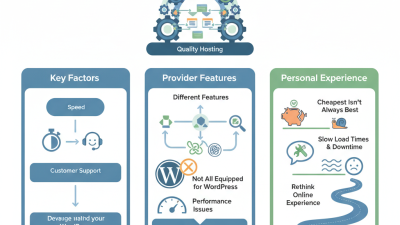
Investing time in understanding various WordPress cloud hosting options is essential. Each option offers unique features that cater to different needs. Will you prioritize speed, security, or customer support? Each factor impacts your website's performance. Some hosting services market themselves aggressively, but not all deliver as promised.
It’s key to reflect on your specific requirements before making a decision. Consider the level of technical support you may need. The choice can feel overwhelming, yet a thoughtful approach will lead to better outcomes. Ultimately, a well-chosen WordPress cloud hosting plan can significantly boost your online presence.
Understanding the Importance of WordPress Cloud Hosting for Websites
When it comes to WordPress cloud hosting, understanding its importance is crucial for website success.
Cloud hosting provides scalable resources, allowing websites to handle varying traffic levels efficiently. This flexibility can prevent downtime during sudden traffic spikes, ensuring a smooth user experience. With increasing reliance on online platforms, your choice of hosting can significantly impact website performance and reliability.
Moreover, security is a vital aspect of any website's infrastructure.
Cloud hosting often comes with enhanced security features. These may include regular backups, automatic updates, and built-in firewalls. However, not all cloud hosting options offer the same level of protection. It's essential to assess each service's security measures and choose one that aligns with your needs.
A poorly secured hosting environment can lead to vulnerabilities and data breaches, which can be devastating for any business.
Consider the potential for growth as you evaluate options. The right cloud hosting solution should accommodate your website's future expansion. Some providers may seem affordable upfront but could incur hidden costs for additional resources. It's worth reflecting on your long-term vision and ensuring that your hosting choice supports it.
Always take the time to analyze and compare various hosting environments. A decision made in haste can lead to regret.
Key Features to Look for in WordPress Cloud Hosting Providers
When selecting the right WordPress cloud hosting provider, it's essential to focus on key features. Bandwidth is a critical factor. Reports indicate that 68% of users experience sluggish performance when bandwidth is inadequate. Ensure your host offers scalable bandwidth to accommodate traffic spikes.
Speed and uptime are equally vital. Studies show that a one-second delay can result in a 7% loss in conversions. Look for providers that guarantee at least 99.9% uptime. This assurance indicates reliability and helps maintain user engagement.
Security is another paramount consideration. The average cost of a data breach is now around $3.86 million. Seek hosting companies that offer robust security features. This includes firewalls, daily backups, and SSL certificates. Lastly, customer support should be responsive and knowledgeable. Delays in support can lead to ongoing issues that affect your site negatively.
Performance Metrics: Speed, Uptime, and Scalability in Cloud Hosting
When selecting the best WordPress cloud hosting, performance metrics like speed, uptime, and scalability matter significantly.
Speed is crucial; a slow website can frustrate users and harm your rankings. Aim for hosting that guarantees quick load times, ideally under three seconds. Regular testing using tools can help identify any speed issues.
Uptime is another critical factor. Look for a provider that offers at least 99.9% uptime. Frequent downtimes can lead to lost traffic and revenue. Hosting services should have robust monitoring and backup systems in place. Downtime is often hard to measure, so choose a host that is transparent about their performance data.
Scalability should also be a priority. As your traffic grows, your hosting needs will change. Ensure that your hosting allows for easy upgrades without downtime or major technical hurdles. This flexibility can save you from future headaches.
Tips: Always check performance reviews. User experiences can offer insights into a host’s reliability. Additionally, consider testing the customer support of any potential providers. A good response team can alleviate concerns that come with hosting challenges.
Evaluating Security Measures in WordPress Cloud Hosting Solutions
When evaluating WordPress cloud hosting solutions, security should be a top priority. You need to assess the measures that protect your data. Look for features like SSL certificates, firewalls, and malware scanning. Each of these components plays a vital role in securing your site from threats. Ignoring these could result in vulnerabilities.
Consider two-factor authentication as part of your security strategy. This step adds an extra layer of protection, preventing unauthorized access. It's essential, especially if your site handles sensitive information. Regular backups also matter. They ensure that you can restore your site quickly in case of an attack. Any host lacking these features may leave your site open to hackers.
Evaluate how the hosting provider responds to security incidents. A transparent communication process builds trust. Analyze their track record for downtime and security breaches. If they’ve faced significant issues before, it’s a red flag. Research customer reviews for real-life experiences. This can reveal insights that marketing materials do not. Understanding these aspects will guide you to make an informed choice.
Cost Analysis: Comparing Pricing Models of Popular Cloud Hosts
When considering cloud hosting for your WordPress site, pricing is crucial. Different providers offer various models. Some charge monthly, while others adopt pay-as-you-go. Monthly plans can seem stable but may hide costs in the fine print. Pay-as-you-go offers flexibility but might lead to higher expenses if your site grows rapidly.
Analyzing popular cloud hosts requires a deep dive into their pricing structures. Look for potential extra fees, such as for data transfer and storage. Most plans include basic features, but premium support comes at an added cost. Many providers also offer promotional rates that can entice you initially, but the renewal prices often spike unexpectedly.
Consider your website's traffic and growth potential. A plan that appears cheap today may become expensive as your site scales. Take time to read service reviews and understand what customers are experiencing. Historically, users share valuable insights about actual costs versus advertised prices. This reflection can save you from unexpected bills later on.
Cost Analysis: Comparing Pricing Models of Popular Cloud Hosts